There’re 12 core classes included in the Dungeons and Dragons fifth edition (DnD 5E) Player’s Handbook: Barbarian, Bard, Cleric, Druid, Fighter, Monk, Paladin, Ranger, Rogue, Sorcerer, Warlock, Wizard. However, new classes like Artificers and Blood Hunters are very cool to play too. I’m gonna walk you through the basics of D&D classes so that you can make a better choice for your character.
What Is D&D Class?
Class is the basic definition of what your character can do. There are six primary abilities in D&D: Strength, Constitution, Wisdom, Charisma, Intelligence and Dexterity. Each class will specialize in a primary ability that governs character building and roleplaying options. When choosing your class, you should look at their primary abilities and consider what kind of character you would want to role-play. At low levels, your class gives you only two or three features, but as you level up, you gain more and your existing features often improve.
What Is The Best Class For A Brand New Player?
Not all classes are created equal for newcomers. Some are straightforward, while others would benefit from a bit of experience before trying them out. When looking at classes, you need to ask yourself what kind of role you want to take in the adventuring party. Do you want to be the armored support, like a Cleric? Or maybe the flashy damage-dealer as a Sorcerer. Overall, I would say Fighter is the easiest to start with.
D&D Classes:
To pick your perfect class, let’s go through these 12 classes in Player’s Handbook and 2 new classes.
1- Fighter:

This is the class for newcomers and excellent choice for those who love to deal damage in combat and experiment with multi-classing. A Fighter is adept with shields and every form of armor. Every Fighter can swing an axe, wield a longsword or a great sword, use a bow, fence with a rapier and even trap foes in a net with some degrees of skills. As players gain levels, Fighters become more versatile, more resilient and most significantly they gain the ability to hit people more often.
| Party Role | Damage Dealer, Tank |
| Hit Dice | d10 |
| Primary Ability | Strength or Dexterity |
| Saving Throws | Constitution |
| HP At 1st Level | 10+ Constitution modifier |
2- Bard:

This is possibly one of the best classes for a newbie. If you look for confidence and charm, Bard is a great pick. Bards utilize performance such as music, theatre, and art to cast spells that support their allies, and this makes them a pure spell caster. However, unlike Clerics and Druids, they only know a certain amount of chosen spells at any given time. Moreover, Bards have a tendency to be the center of attention, as they are performers at heart. If you want a class that grants you a lot of wiggle room, Bard might be the one for you.
| Party Role | Utility, Support, Control |
| Hit Dice | d8 |
| Primary Ability | Charisma |
| Saving Throws | Charisma, Dexterity |
| HP At 1st Level | 8+ Constitution modifier |
3- Barbarian:
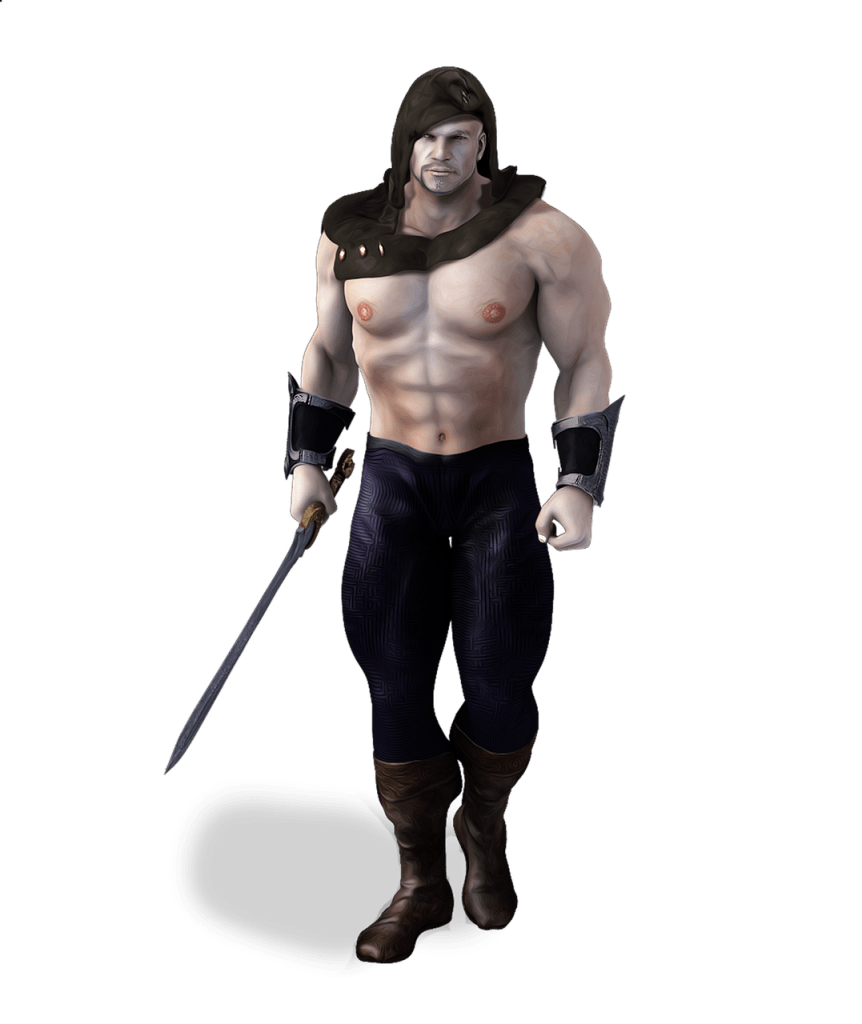
This beefy character is the best D&D class for beginners who just want to hit stuff. They not only have the highest hit point pool of any class, but their Rage ability also grants them resistance to the most common forms of damage. Barbarians can’t wear the same heavy armor that Fighters can, but that rage has the additional benefit of making them very difficult to kill, giving them resistance to most physical damage. As this is a straightforward class, you may also choose to multi-class as barbarians. There are also Barbarian subclasses that can make the class more complicated and add more options.
| Party Role | Damage dealer, Tank |
| Hit Dice | d12 |
| Primary Ability | Strength, Constitution |
| Saving Throws | Strength |
| HP At 1st Level | 12+ Constitution modifier |
4- Warlock:

This is a Spell-caster who makes a pact with an otherworldly Patron. Sometimes the relationship between Warlock and Patron is like that of a Cleric and a Deity, but the beings that Warlock serves as Patron is not God. Warlocks are given incredible powers that makes them uniquely strong damage dealers and unlike any other spell-caster in 5E. Since Warlocks have Patrons, they have to keep those Patrons satisfied or they could lose their power permanently. Overall, Warlock is a mechanically complex class. Each level-up choice is meaningful and requires strategic thinking.
| Party Role | Utility, Damage dealer, Control |
| Hit Dice | d8 |
| Primary Ability | Charisma |
| Saving Throws | Charisma, Wisdom |
| HP At 1st Level | 8+ Constitution modifier |
5-Cleric:
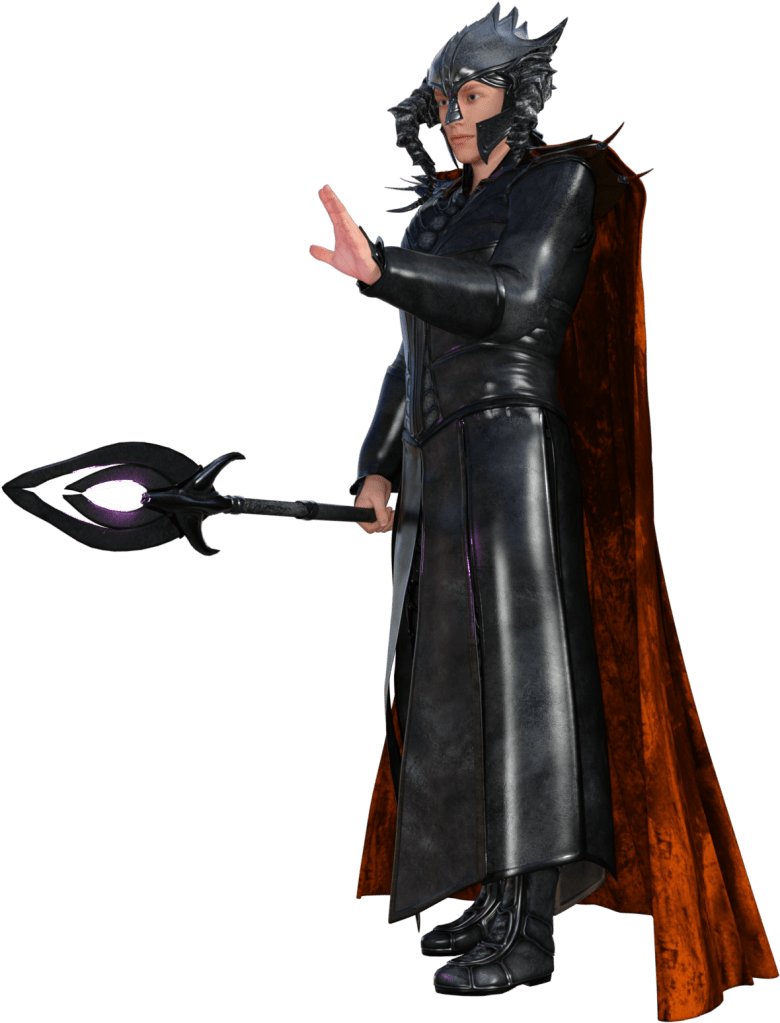
Cleric is the divine agent of God and acts as your tanky healer. The Cleric is rooted in the idea of fighting priests from the Medieval period. Clerics select a Divine Domain which gives them access to certain spells and certain Channel Divinity powers as they level up. Many Cleric spells and abilities pack a serious punch, too. This makes them a great D&D class for beginners who want to get used to spell-casting without sacrificing defensive capabilities. Where most classes don’t get any of their ‘cool’ features until level two or three, Clerics have to choose their Devine Domain right away at level one and get access to the full list of Cleric spells from the beginning.
| Party Role | Damage dealer, Support, Healer |
| Hit Dice | d8 |
| Primary Ability | Wisdom |
| Saving Throws | Charisma, Wisdom |
| HP At 1st Level | 8+ Constitution modifier |
6- Druid:

If you want to be one with nature or transform into any creature, then Druid is the class for you. A Druid eschews the Cleric’s strict service to a specific deity in exchange for a deeper relationship with nature. Their spells are oriented toward nature and animals, the power of tooth and claw, of sun and moon, of fire and storm. Druids are amazingly versatile. They can polymorph into beasts, heal the party and control the elements to turn a battle in your favor. There’s so much utility with playing a Druid that it can briefly get overwhelming, so they’re better suited to those who enjoy a lot of character planning with a decent prior knowledge of spells and the bestiary.
| Party Role | Control, Support, Healer, Utility |
| Hit Dice | d8 |
| Primary Ability | Wisdom |
| Saving Throws | Intelligence, Wisdom |
| HP At 1st Level | 8+ Constitution modifier |
7- Sorcerer:

This is a spell-caster who draws on inherent magic from bloodline or a gift. As a full spell-caster, you have to manage a list of spells alongside features like ‘Metamagic’ that can affect how and when you would cast them. This makes Sorcerer a complex class but it offers versatile spells make Sorcerers well-equipped for most dungeon crawling and social interactions. Plus, you need to have a good understanding of DnD rules to play it effectively – you’ll likely spend most of your teammates’ rounds planning your next action and then checking to see if you’re allowed to do it. Focus on improving your Charisma score for spell-casting and remember that fire spells in D&D are always a powerful choice.
| Party Role | Control, Damage dealer |
| Hit Dice | d6 |
| Primary Ability | Charisma |
| Saving Throws | Constitution, Charisma |
| HP At 1st Level | 6+ Constitution modifier |
8- Ranger:
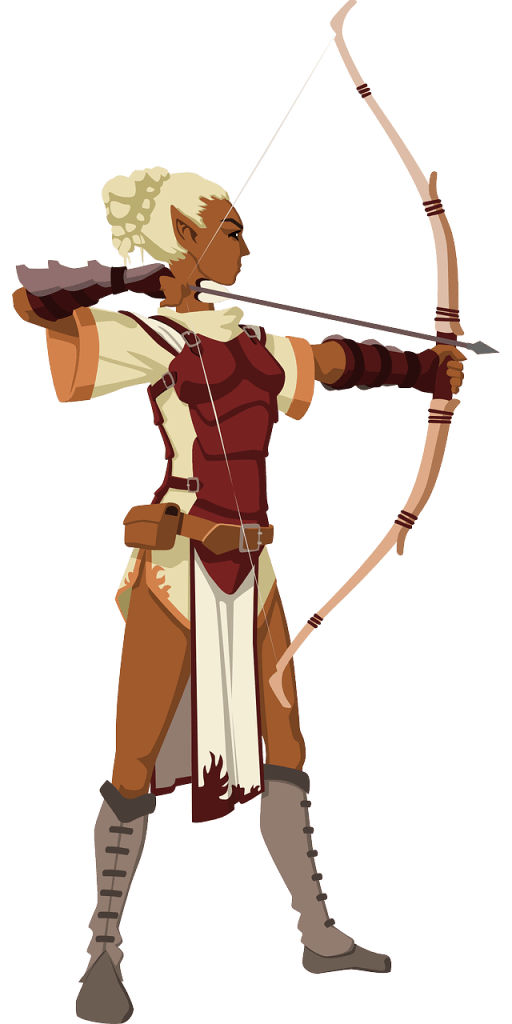
It’s a great class for newbies who love everything about the Druid class but are turned off by how convoluted it seems and how much management it can require. Ranger is a part-martial warrior, a part-spell caster and can be an invaluable party member. As a Ranger, you can be both a melee and ranged damage-dealer, cast control spells, and provide lots of utility for a campaign with your tracking abilities. If you also want to have a pet companion in-game, it is the class for you. Though a Ranger might make a living as a hunter, a tracker or a guide, your true calling is to defend the outskirts of civilization from the ravages of monsters and humanoid hordes that press in from the wild. You get a bunch of choices as you level up. You can select things like favored terrain and enemies, so it is a good idea to consult with your DM when character building.
| Party Role | Damage dealer, Utility, Support |
| Hit Dice | d10 |
| Primary Ability | Dexterity, Wisdom |
| Saving Throws | Dexterity, Strength |
| HP At 1st Level | 10+ Constitution modifier |
9- Rogue:
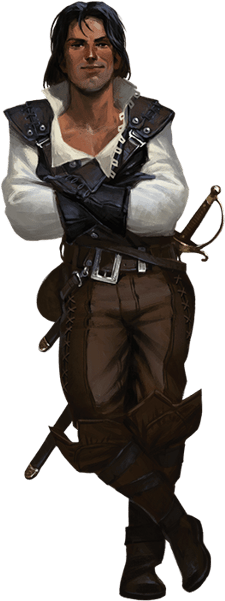
A Rogue lives up to the worst stereotypes of the class, making a living as burglars, assassins, cutpurses, and con artists. However, when played well, a Rogue can a be terrifying foe on a battlefield. Even when you don’t have a firm grasp of the class, you still can be very useful both in and out of combat. Basically, a Rogue’s main class feature is the ‘Sneak Attack’, something that will give you the ability to deal extra damage once per turn. This is one of the best D&D class for newcomers who want to play a martial class without swinging around a huge axe or getting in super close for a flurry of attacks. Focus on increasing your dexterity score, and pick your level-up options to support the play-style you want.
| Party Role | Damage dealer, Utility |
| Hit Dice | d8 |
| Primary Ability | Dexterity |
| Saving Throws | Dexterity, Intelligence |
| HP At 1st Level | 8+ Constitution modifier |
10- Wizard:

Wizard is the bookworm of DnD, with a spell list so long that this in of itself can feel extra complex. It’s a class full of powerful magic that will turn you into what is well-known as a glass cannon: a character that has incredible attack power, but is almost defenseless and easily taken out. With eight schools of magic to choose from and a unique spell-book mechanic, a Wizard immerses you completely into the ‘studious magical genius’ role, making roleplaying a breeze. However, a Wizard doesn’t have much to offer outside of their magic, running out of spell slots leaves you exceptionally vulnerable. This is extremely dangerous as you have the lowest hit point dice (D6) of any character. So this is can be tricky for beginners.
| Party Role | Damage dealer, Utility, Control |
| Hit Dice | d6 |
| Primary Ability | Intelligence |
| Saving Throws | Wisdom, Intelligence |
| HP At 1st Level | 6+ Constitution modifier |
11- Monk:

A Monk makes careful study of a magical energy that most monastic traditions call Ki. This energy is an element of the magic that suffuses the multiverse, especially the element that flows through living beings. Ki points can be exchanged for various actions that includes an additional attack or a big boost to your movement speed, so they’re pretty useful. Your abilities make you a great damage-dealer, but the downside to having all of these great abilities is that many newbies will simply forget you have them at their disposal. So a Monk class can be challenging to play, due to your low hit dice and lack of armour proficiency.
| Party Role | Damage dealer, Control |
| Hit Dice | d8 |
| Primary Ability | Dexterity, Wisdom |
| Saving Throws | Strength, Dexterity |
| HP At 1st Level | 8+ Constitution modifier |
12- Paladin:
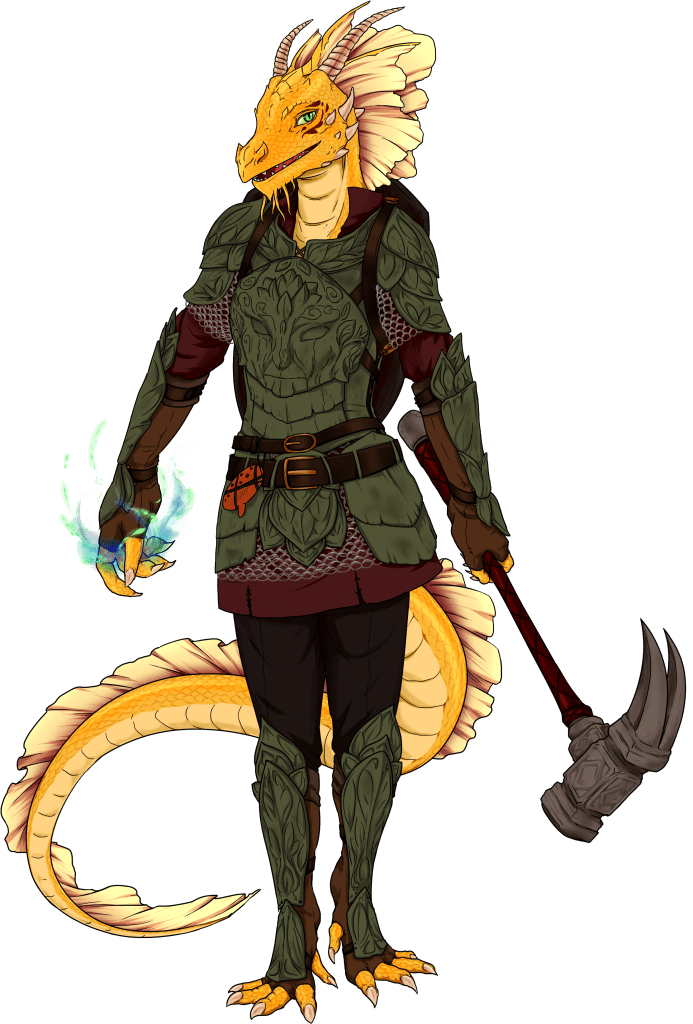
It is the best class for new players that want to do a bit of everything. Paladin and Ranger are quite similar when it comes to the kinds of features they get. Paladin is a charismatic hybrid class, dealing in both spell casting and melee combat. After all, a Paladin has some of the highest armor across all classes which makes you a great tank. You also have access to healing magic for good measure. Besides, you can support your party and act as the negotiator/diplomat in social situations. When playing as the Paladin class, you must pledge yourselves to various deities and can even be “oath-breakers” to fall under the “evil” alignment.
| Party Role | Damage dealer, Tank, Support, Healer |
| Hit Dice | d10 |
| Primary Ability | Strength, Charisma |
| Saving Throws | Charisma, Wisdom |
| HP At 1st Level | 10+ Constitution modifier |
13- Artificer:

Those who only own the Player’s Handbook for D&D 5E might not be aware of this class, because it was introduced in an expansion module called Tasha’s Cauldron of Everything. This is the class for players who love the idea of robot helpers. Using powerful magical infusions, an Artificer can create and bolster magical items and weapons that will definitely help your party pack a punch. Pretty much like the Warlock, you’ll get a short list of spells which makes the you somewhat more accessible as a spell-caster. Since Artificer is awesome, you should be very aware that it is not the easiest pick to jump into as a newbie.
| Party Role | Utility, Support |
| Hit Dice | d8 |
| Primary Ability | Intelligence |
| Saving Throws | Constitution, Intelligence |
| HP At 1st Level | 8+ Constitution modifier |
14- Blood Hunter:
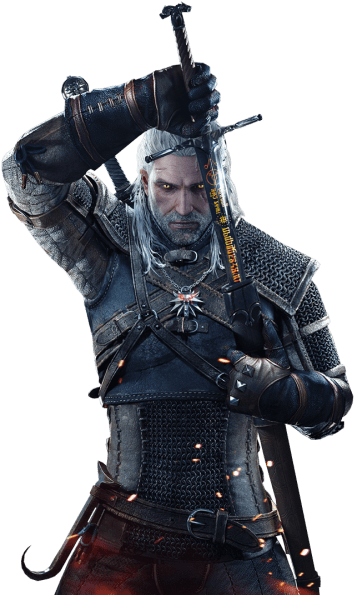
A Blood hunter is a clever warrior driven by an unending determination to destroy evils old and new. The Blood Hunter is a home-brew class from the mind of Critical Role Dungeon Master Matt Mercer. Based in part on The Witcher, the Blood Hunter sacrifices your own health and blood, to use the power of Hemocraft magic against evil. There’s also plenty of ways to customize your Hemocraft magic to deal damage to evils in new and interesting ways. You protect the realms from the shadows, even as you remain ever vigilant against being drawn to the darkness that consumes the monsters you hunt. Playing this class, every Blood Hunter irrevocably gives a part of yourselves to your cause physically, emotionally, and sometimes morally. Each order of Blood Hunters practices its own methods and ideals, often employing techniques with dark origins that test the strength and will of those who employ you.
| Party Role | Control, Damage dealer |
| Hit Dice | d10 |
| Primary Ability | Strength or Dexterity |
| Saving Throws | Dexterity, Intelligence |
| HP At 1st Level | 10+ Constitution modifier |
Hope this post already helps you pick your ideal class. For deeper understanding of D&D classes, watch this video. Cheers!
 Hellfire Dungeons And Dragons Saigon