Dungeons and Dragons, also known as D&D or DnD, is a popular tabletop roleplaying game that is good to play while you are bored, or if you want to expand your realms of imagination. This game uses a bunch of weird-looking dice that some players collect like they are Pokemon cards. If you’re really into that aspect of the hobby, then it’s the game for you. The great thing about D&D is that its rules are simple enough to follow as a beginner, players can make their own characters and have room to be creative. whether you are ready to run your own games or you have never seen a roleplaying game in action, here are some basic things you need to do to be able to play the game:
Getting Started With D&D:
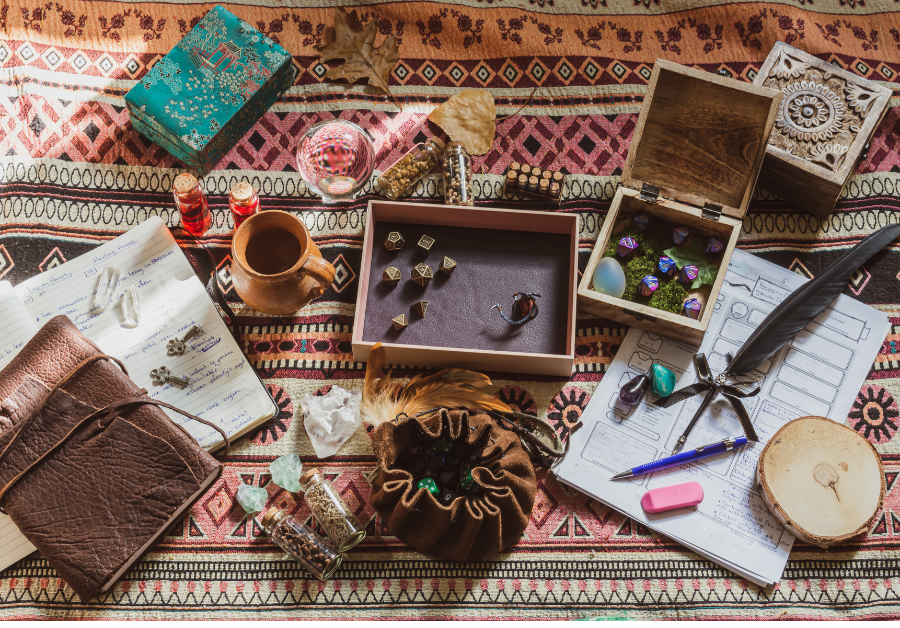
- Buy the Starter Set: it includes everything you need to get started: an essential rules handbook, an introductory adventure, five pre-made character sheets, and a set of dice. There’re also many fancy D&D handbooks for you to get if you are into the game. Of if you are not sure whether it is something you enjoy, you can either borrow a book from your friends or join a group for a game to see if you like it or not before making a purchase; all you need is a copy of the character sheet.
- Choose your race: To choose your race, firstly you need to understand it. There’re some different races which your character can be. These slightly vary between editions, but the most common races include Human, Dwarf, Halfling, Half-elf, Half-orc, Elf and Gnome. The different races will have different inherent abilities, benefits and downsides. This will affect how your character gets by in life.
- Choose your class: Class is what your character does, what they’re good at or have chosen to do with their life. It basically determines the skills they will have that affects the role your character will have in the group. It is important to choose a class befitting your race. The classes are, again, different depending on editions. Common classes include Fighter, Rogue, and Wizard.
- Choose your alignment: Your character will also have a moral alignment that you will need to consider. This will help you determine how your character would react in certain situations, as well as the decisions they would make.
- Understand the role of the dice: As I mentioned above, there are a number of weird-looking dice used when playing D&D. These are not just normal dice, but rather special dice with an unusual number of sides. The most common D&D dice is the classic d20 (followed by a d10) but you will need a bunch of others. What I recommend is to get a full set from your local game shop.
- The dice will be mostly used every time the player or Dungeon Master (DM for short) takes an action. The difficulty or chance of something occurring is attached to a particular type of dice. You roll, and if the number is high enough then the action can be taken, going well, terribly, or any other outcomes as determined by your DM.
Designate A Dungeon Master:
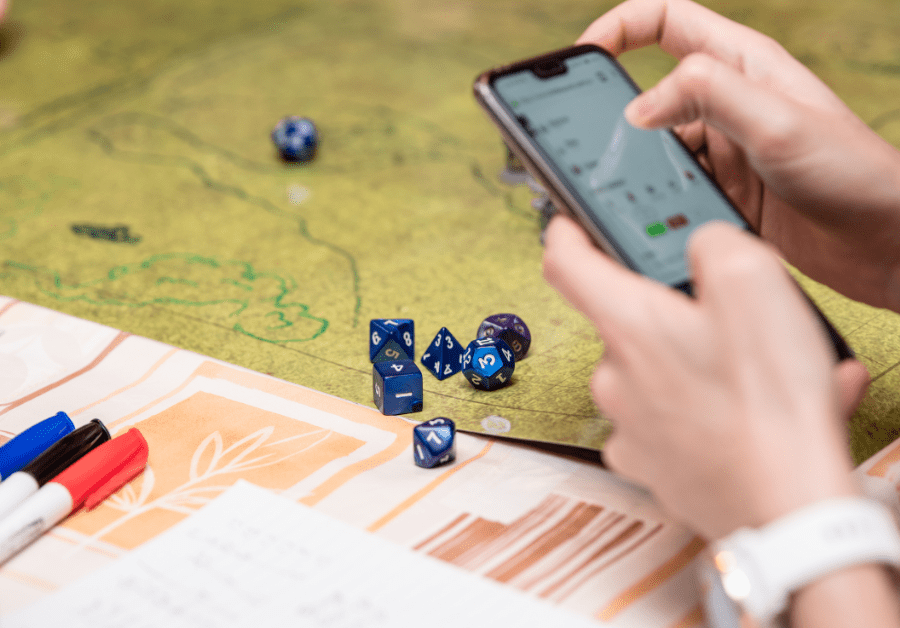
The Dungeon Master (commonly known as DM) refers to the player who acts as narrator, antagonist, and guide to the rest of the players in D&D. If you are the one who organize the game, this will likely be you. The DM does not have to know all the rules but you should have a strong knowledge of the rules, or at least be willing to learn and run the game. As a DM, you should have copies of the core rulebooks: The Player’s Handbook, the Dungeon Master’s Guide, and the Monster Manual. There’s a lot more books available, but you only need these three to run the game.
As a new DM, it’s usually easier to run a pre-existing adventure than immediately come up with your own story. However, if you are a creative writer and want to make your own adventure, your options are practically endless. I recommend that you start with a short story which only needs 2-3 sessions to finish since a longer one requires more commitments.
Where to play D&D:
It should be somewhere that involves a table with some chairs around it and preferably be without distractions such as the TV or other people who won’t be playing, though some local pubs or game shops will sometimes specialize in providing facilities to groups for a fee or free.
Adventure Time:
It’s time to start your game!
- Show up: D&D is a commitment because it is difficult to enjoy the game if the group’s members are constantly missing. When joining a game, you should be willing and prepared to work with their schedule.
Create Your Characters:
For the first session, you will need to create your characters. This can be done alone, before meeting or together. As I said above, after having an understanding of races, classes and alignment, you can make your own characters as you like. Creating characters together can lead to a more balanced party, as you can discuss what is needed. Doing this together is also helpful for new or inexperienced players, though it will take a lot of time.
- Make sure all players have a blank character sheet, or get everybody to use a program like Redblade for assistance in creating your sheets.
- Read the instructions of how to create a character in the Player’s Handbook and have everyone but the DM create a character.
- Note down all the differences between races and classes, and which complement each other. For example, if you decide to be a Fighter and this is your first time out, a Human or Half-Orc will be a much better choice than either an Elf or a Gnome. On the other hand, if you want a challenge, then try a Monk or a Spell Caster of any sort (Sorcerer, Druid, Cleric, Wizard, etc.)
- The character you create will be called your Player Character (PC). All the other characters that are in the game world which are not controlled by a player are called Non-Player Characters (NPC). They will be controlled by the DM.
Begin your adventure:
After making your characters, you can start your first session:
- Each player controls their own PCs. You can’t control other players’ PC and NPCs.
- The DM will start telling the story, describe where you are and what is around you.
- All the players will take turns telling the DM what action they would like to do in response. The DM will answer each question and explain what the outcome of any action is.
- The game will go on in this way, back and forth between the players and DM.
The duration of a session depends on how often you play it. The more often you play, the shorter a session will be. Also, the DM generally keeps track of the time and will call the end of game when appropriate. Besides, some DMs prefer to make episodical cliff-hanger that will essentially pauses the adventure at an intriguing point so that excitement for how it will be sorted out at the next session is higher among the players. This will encourage all the players to come back next time.
I hope you have some basic information of how to play D&D in this article and feel like to play it already. Thank you for reading my post and once again let your imagination run wild!
 Hellfire Dungeons And Dragons Saigon